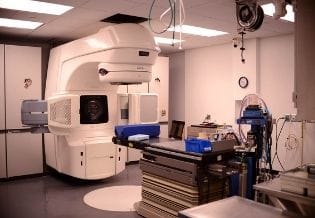
Submit Your Radiation and Nuclear Medicine Research
Join leading researchers in radiation oncology, nuclear medicine, medical physics, and radiobiology publishing groundbreaking discoveries in our peer-reviewed, open-access journal
Complete your submission in 15 minutes
Two Convenient Submission Methods
We offer two streamlined pathways for submitting your radiation and nuclear medicine research. Choose the method that best fits your workflow and manuscript complexity.
ManuscriptZone Portal
Our comprehensive manuscript management system designed for complex submissions with multiple authors, extensive supplementary materials, and detailed tracking requirements.
- Auto-save functionality prevents data loss
- Guided step-by-step submission workflow
- Real-time status tracking and notifications
- Direct communication with editors and reviewers
- Secure document management and version control
- Comprehensive revision and resubmission tools
Quick Submission Form
A streamlined alternative for straightforward manuscripts, perfect for single-author submissions, short communications, or when you need a faster submission process without account creation.
- No account registration required
- Simplified one-page submission interface
- Fast upload for manuscript and figures
- Ideal for case reports and brief communications
- Immediate confirmation upon submission
- Seamless transfer to editorial system
Manuscript Types We Publish
The Journal of Radiation and Nuclear Medicine welcomes diverse research contributions across radiation oncology, nuclear medicine imaging, medical physics, radiobiology, and therapeutic applications. Our expert editorial board evaluates manuscripts based on scientific rigor, clinical relevance, and contribution to the field.
Original Research Articles
Comprehensive studies in radiation therapy optimization, novel imaging techniques, dosimetry protocols, radiopharmaceutical development, or clinical outcomes research.
Clinical Case Reports
Unique patient presentations, rare complications, innovative treatment approaches, or unusual imaging findings in radiation oncology and nuclear medicine practice.
Systematic Reviews & Meta-Analyses
Comprehensive evidence synthesis on radiation therapy techniques, nuclear medicine protocols, treatment efficacy, or safety outcomes following PRISMA guidelines.
Technical Notes & Methods
Novel radiation delivery techniques, quality assurance protocols, imaging reconstruction algorithms, or dosimetry calculation methods with validation data.
Review Articles
Comprehensive overviews of current knowledge in radiation biology, emerging radiopharmaceuticals, treatment paradigms, or technological advances in the field.
Short Communications
Preliminary findings, pilot studies, novel observations, or rapid dissemination of time-sensitive radiation oncology or nuclear medicine discoveries.
Clinical Trial Reports
Phase I-III clinical trials evaluating radiation therapy protocols, radiopharmaceutical agents, combination treatments, or patient-reported outcomes following CONSORT guidelines.
Perspectives & Commentaries
Expert opinions on controversial topics, future directions in radiation medicine, policy implications, or critical analysis of emerging technologies and practices.
Pre-Submission Checklist
Ensure your radiation and nuclear medicine manuscript meets all requirements before submission to expedite the review process and avoid delays.
Manuscript File Ready
Word (.docx) or LaTeX format, double-spaced, 12pt font, line numbers enabled, structured abstract included
Figures & Images Prepared
High-resolution TIFF or EPS format (300 DPI minimum), DICOM images for nuclear medicine scans, dose distribution maps, properly labeled
Ethics Documentation
IRB/Ethics committee approval for human studies, informed consent obtained, animal care committee approval (IACUC) if applicable, radiation safety clearance
Author Contributions
All authors approved final manuscript, authorship criteria met (ICMJE guidelines), corresponding author designated, ORCID IDs provided
Competing Interests Declared
Financial relationships disclosed, industry funding acknowledged, potential conflicts of interest stated, equipment/software vendors listed
Cover Letter Prepared
Significance of findings explained, novelty highlighted, suggested reviewers listed (optional), confirmation of original work and no dual submission
Peer Review Timeline
Our transparent, efficient peer review process ensures your radiation and nuclear medicine research receives expert evaluation while maintaining rapid publication timelines. Expert reviewers with specialized knowledge in radiation oncology, nuclear medicine, medical physics, and radiobiology evaluate all submissions.
Manuscript Submission
Submit via ManuscriptZone or Quick Form. Immediate confirmation sent. Manuscript assigned unique tracking number.
Day 0Editorial Screening
Editor-in-Chief reviews for scope, quality, and completeness. Plagiarism check via iThenticate. Assignment to Associate Editor with relevant expertise.
3 daysPeer Review Process
2-3 expert reviewers evaluate methodology, results, clinical relevance, and radiation safety considerations. Single-blind review ensures objectivity.
21 daysEditorial Decision
Accept, minor revisions, major revisions, or reject. Detailed reviewer comments provided. Clear guidance for revisions if needed.
28 days totalRevision & Resubmission
Authors address reviewer comments. Point-by-point response required. Re-review by original reviewers ensures quality.
14 days reviewFinal Acceptance
Manuscript accepted for publication. Transferred to production team. Author proofs prepared for final review and approval.
Day 42Publication
Article published online with DOI. Immediate open access.
60 days totalWhy Radiation and Nuclear Medicine Researchers Choose Us
Quality indicators that demonstrate our commitment to excellence in radiation medicine publishing
Comprehensive Indexing
Indexed in Google Scholar and discipline-specific databases ensuring maximum visibility to radiation oncologists and nuclear medicine specialists worldwide
Rapid Publication
Average 21 days to first decision, 60 days to publication. Fast-track available for urgent clinical findings and breakthrough discoveries
Expert Peer Review
Reviewers include board-certified radiation oncologists, nuclear medicine physicians, medical physicists, and radiobiologists with active clinical and research practices
Global Open Access
Immediate worldwide availability under CC BY license. No paywalls. Your research reaches clinicians, physicists, and researchers in resource-limited settings
Ethical Standards
aligns with COPE best practices. Rigorous plagiarism screening. Transparent peer review. Adherence to radiation safety and patient privacy regulations
APC Waivers Available
Financial support for researchers from low and middle-income countries, early career investigators, and unfunded studies. No compromise on quality
Submission Guidelines Summary
Manuscript Preparation
Structure your radiation and nuclear medicine manuscript with clear sections: Abstract (250 words, structured with Background, Methods, Results, Conclusions), Introduction (clinical context and rationale), Methods (detailed protocols including radiation doses, imaging parameters, statistical analysis), Results (with appropriate figures showing dose distributions, imaging findings, or outcome data), Discussion (clinical implications and limitations), and Conclusions.
Radiation-Specific Requirements
For radiation therapy studies, report doses in Gray (Gy), fractionation schedules, treatment planning systems used, and quality assurance protocols. For nuclear medicine imaging, specify radiopharmaceutical details (isotope, activity, administration route), imaging protocols (acquisition parameters, reconstruction methods), and radiation dosimetry when applicable. Include radiation safety considerations and regulatory approvals.
Figures and Images
Submit high-quality images: dose-volume histograms, isodose distributions, PET/SPECT scans, CT/MRI fusion images, and treatment planning screenshots. DICOM format preferred for medical images. Ensure patient anonymization. Provide scale bars and clear legends. Color images encouraged for nuclear medicine scans and dose distributions.
Statistical Analysis
Report statistical methods clearly. Include confidence intervals, p-values, and effect sizes. For survival analyses, provide Kaplan-Meier curves and hazard ratios. For dosimetric studies, report mean doses, dose constraints, and conformity indices. Consult a biostatistician for complex analyses.
Ethics and Compliance
Obtain IRB approval for human studies. Document informed consent procedures. For retrospective studies, justify waiver of consent if applicable. Report radiation exposure levels and justify clinical necessity. Follow ALARA principles. Declare any off-label use of radiopharmaceuticals or treatment techniques.
Need Assistance with Your Submission?
Our editorial support team is available to help with technical questions, submission procedures, or manuscript preparation guidance. We're committed to making your submission experience smooth and efficient.
Contact Support: [email protected]